
Mental-Health Stigma and Testimony
The Woman in Cabin 10This thread traces how Laura’s treatment and panic become tools for discrediting her account, and how she insists on the distinction between illness and truth.
increasing Bearing strength in each event
 decreasing
Bearing strength in each eventdecreasingTreatment as Self-Knowledge
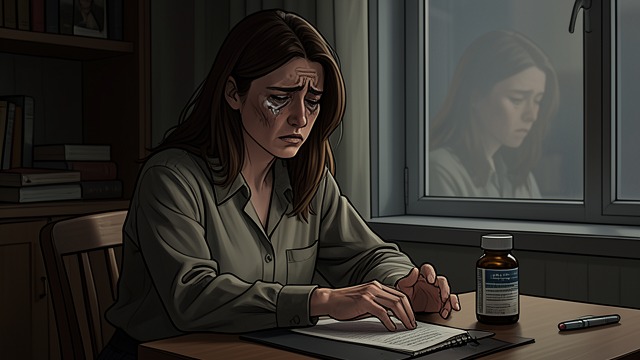
Living with Anxiety
A Long History
Laura describes panic beginning in adolescence and medication later helping her function after earlier therapies failed.
A Practical View
She understands treatment as support that lets her feel more like herself, not proof that her perceptions are false.
The Evidence Questioned

Circumstances Become Suspicion
A Vulnerable Witness
Laura is exhausted, has been drinking, and has recently suffered a burglary, all of which invite others to question her account.
The Core Dispute
Her uncertainty about the splash does not erase her certainty that she spoke with a real woman.
Medication Used Against Her
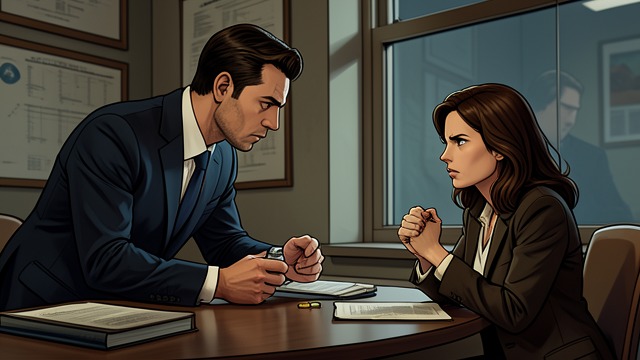
A Private Fact Exposed
Ben’s Disclosure
Ben tells Nilsson about Laura’s medication, giving security another reason to treat her as unreliable.
Laura’s Protest
She insists that taking antidepressants neither makes her delusional nor invalidates what she witnessed.
Withdrawal Under Captivity
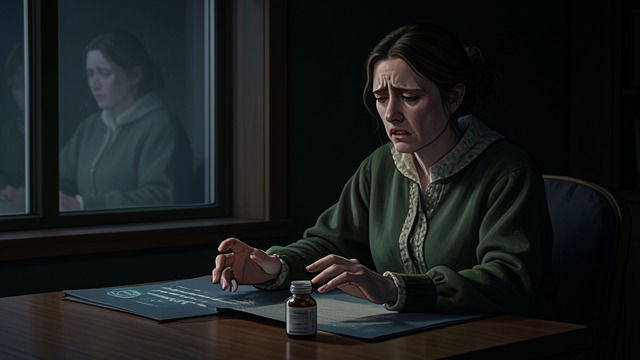
Treatment Denied
Missing Doses
Laura’s captor controls access to her medication, and Laura develops physical and emotional distress after missed doses.
A Further Dependency
The episode makes her vulnerability real, while showing that vulnerability is being used against her rather than proving her story false.
Credibility Meets Proof

An Account Reassembled
External Confirmation
Laura’s survival and the later identification of Anne’s body support key parts of what she said aboard the ship.
A Wider Critique
The novel distinguishes an imperfect witness from a dishonest one and challenges the reflex to equate mental-health treatment with unreliability.
before the voyage
after Nilsson inspects the empty cabin
during Nilsson’s visit to Laura’s cabin
several days below deck
after Laura reaches authorities
